The Complete Guide to Hiring a Session Vocalist
What to Expect Working with a Vocalist
Chapter 2 of 7
Learn what the collaboration process looks like, from your first message to receiving your finished vocal tracks
8 minute read
Updated July 2026
Contents
Start with a Conversation
Send the Right Files
Be Clear of Your Expectations
Trust the Creative Process
Recording Takes Time
Revisions Are Normal
You'll Receive Your Final Stems
Stay Connected
Final Thoughts
What to Expect Working With a Remote Session Vocalist
If you've never hired a remote session vocalist before, the process can seem a little intimidating.
What files do you send?
How much direction should you give?
What happens if you want changes?
The good news is that working with a professional session vocalist is usually much more straightforward than people expect. While every vocalist has their own workflow, the overall process is pretty similar from project to project.
1. Start with a Conversation
Before anyone records a single note, there should be a conversation about your project.
This doesn't have to be anything formal. Usually it's just discussing things like:
Your genre
Influences
Your vision for the song
Whether you need screams, cleans, or both
Lyrics (if they're already written)
Deadlines
Pricing
Any questions either of you have
The more information you provide upfront, the easier it is for the vocalist to understand what you're trying to create.
2. Send the Right Files
Once everything is agreed upon, it's time to send your song.
Most session vocalists will ask for:
An instrumental mix
A version with guide vocals (if you have them)
Lyrics
Tempo (BPM)
Song key
Notes about specific sections or ideas
Don't worry if you don't have everything perfectly organized.
Professional vocalists work with projects at all stages, from rough demos recorded in a bedroom to fully produced mixes.
For a complete breakdown of the files to send see Chapter 5: What Files to Send a Session Vocalist
3. Be Clear of Your Expectations
One of the biggest mistakes people make is assuming the vocalist already knows exactly what they want.
If you have specific ideas, share them.
Maybe you love the emotional delivery in one chorus.
Maybe you want the breakdown to feel raw and chaotic.
Maybe there's a certain scream style you've been chasing.
Reference tracks can be incredibly helpful, not because anyone is trying to copy another artist, but because they quickly communicate the energy you're after.
The clearer your direction is, the more likely the first take will already be close to what you imagined.
4. Trust the Creative Process
At the same time, it's worth leaving a little room for creativity.
You're hiring a vocalist because of their experience and style.
Sometimes they'll hear an opportunity you hadn't considered.
That could be:
An extra harmony
A different vocal rhythm
A layered scream
A subtle background vocal that adds depth
Some of the best moments in a song happen when both people contribute ideas.
Think of it as a collaboration, not just a transaction.
5. Recording Takes Time
A vocal performance is more than pressing the record button.
Behind the scenes, a vocalist may record multiple takes of every section, experiment with different deliveries, stack harmonies, tighten timing, edit breaths, organize tracks, and make sure everything is ready for mixing.
The recording itself is only part of the process.
Giving someone enough time to do their best work almost always leads to a better final result.
6. Revisions Are Normal
Don't feel bad about asking for revisions.
Most vocalists expect them.
Maybe you'd like a line delivered with more aggression.
Maybe the chorus needs more layers.
Maybe one lyric doesn't quite fit.
Constructive feedback is part of the creative process.
The key is being as specific as possible.
Instead of saying:
"It doesn't feel right."
Try something like:
"Could you make this line feel more emotional?"
or
"Can we try a lower, more heavy scream here?"
Specific feedback is much easier to translate into a better performance.
It's also helpful to understand what revisions usually mean. Revisions are typically small adjustments to fine-tune an already completed performance, not re-recording an entire song from scratch because you've decided to take it in a completely different direction. If your vision changes significantly after recording is finished, it's generally considered a new recording session rather than a revision.
Clear communication from the beginning helps keep revisions focused, efficient, and enjoyable for everyone involved.
7. You'll Receive Your Vocal Stems
Even after the project is finished, don't let the collaboration end there.
If you enjoyed working together, stay in touch. When the song is eventually released, send it to the vocalist and let them know how everything turned out. It's a simple gesture that goes a long way.
Don't feel pressured to release the song right away, either. Every project has its own timeline. Some songs are released within a few weeks, while others might not come out for months or even a couple of years. That's completely normal, and most vocalists understand that creative projects often take time.
In my own experience, some of the artists I've worked with over the years have become repeat clients, creative collaborators, and even genuine friends. What started as a single song often grew into multiple projects because we already understood how each other worked.
The more you collaborate with the same people, the more they understand your writing style, influences and creative vision. That familiarity often leads to smoother communication, stronger performances, and an even more enjoyable creative process for everyone involved.
8. Stay Connected
Once everything is approved, you'll receive the finished files.
Most remote session vocalists deliver organized vocal stems that are ready for your producer or mix engineer.
Depending on the project, that may include:
Lead vocals
Harmonies
Doubles
Background vocals
Screams
Ad-libs
Raw or lightly processed stems
Having everything clearly labeled makes the mixing process much smoother.
Final Thoughts
Hiring a remote session vocalist should feel like adding another creative partner to your team.
A great collaboration starts with clear communication, realistic expectations, and a shared goal of making the song as strong as it can be.
Whether you're recording your first single or finishing a full-length album, understanding the process ahead of time makes everything smoother from the first conversation to the final delivery.
The better the communication on both sides, the better the song turns out.
About the Author
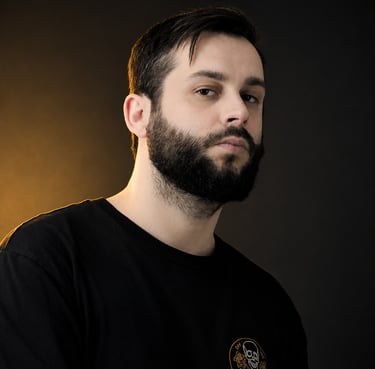
Anthony Blake
Professional Session Vocalist
Metalcore • Post-Hardcore • Modern Heavy Music
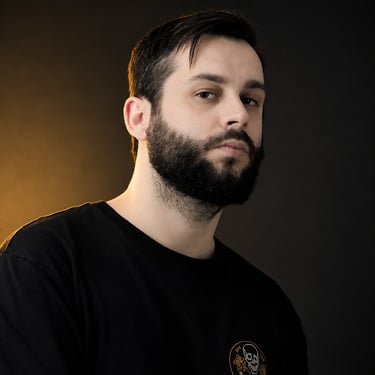
Anthony Blake is a professional session vocalist specializing in metalcore, post-hardcore, and other heavy music. With a decade of experience collaborating with artists all over the world, he provides screaming vocals, clean vocals, lyric writing, and vocal arrangement for independent and label projects. Through this Journal, he shares practical insights and real-world experience to help musicians create better songs and navigate the remote collaboration process with ease.
STAY CONNECTED