The Complete Guide to Hiring a Session Vocalist
How Long Does it Take to Hire a Session Vocalist
Chapter 6 of 7
Learn what affects turnaround time and what to expect throughout the entire process.
8 minute read
Updated July 2026
Contents
Every Song is Different
Song Complexity Plays a Big Role
Lyric Writing & Vocal Arrangements
Current Workload Matters
Revisions Extend the Timeline
Rush Projects May Be Available
Communication During the Project
Quality is Worth Waiting For
How Long Does it Take to Hire a Session Vocalist
One of the first questions artists ask before booking a remote session vocalist is:
"How long will it take?"
The honest answer is that every project is different.
A single chorus recorded over an acoustic track will naturally take less time than a five-minute metalcore song filled with screams, harmonies, vocal layers and lyric writing.
While every vocalist has their own workflow, understanding what affects turnaround times can help you set realistic expectations before your project begins.
1. Every Song is Different
There isn't a universal turnaround time for session vocals.
Some projects are relatively simple, while others involve multiple stages of writing, arranging, recording, editing, revisions and file organization.
Because of that, most session vocalists provide an estimated completion window rather than promising an exact delivery date.
2. Song Complexity Plays a Big Role
The more demanding the song, the longer it may take.
Things that can increase recording time:
Multiple vocal layers
Clean vocals and screams
Harmonies
Vocal doubles
Layered gang vocals
Technical vocal patterns
Frequent transitions between styles
Long song lengths
Recording a complex metalcore track is often very different from recording a straightforward rock or acoustic song.
3. Lyric Writing & Vocal Arrangement
If your lyrics and vocal patterns are already finished, recording can usually begin much sooner.
However, if your vocalist is also helping with:
Lyric writing
Vocal arrangement
Layer Placement
Melody ideas
With all that, there is an additional creative stage before recording even starts.
Writing isn't something that should be rushed. Taking the time to develop strong vocal ideas almost always leads to a better final song.
4. Current Workload Matters
Most professional session vocalists work with multiple artists at the same time.
That means your project becomes part of a scheduled workflow rather than the only project being worked on.
This isn't a bad thing, it's simply how freelance music production typically works.
A vocalist who's booked several weeks in advance is often someone who has built a consistent reputation and client base.
5. Revisions Extend the Timeline
Most projects include at least one round of revisions.
Small adjustments usually don't add much time.
It's worth understanding what revisions are intended for. In most cases, revisions involve refining an existing performance through small adjustments, rather than starting over with an entirely new interpretation. If the creative direction changes completely after the vocals have already been recorded, that typically falls outside the scope of a revision and becomes a new project all together.
These larger creative changes, such as rewriting lyrics, changing vocal styles, or significantly altering the arrangement require additional recording sessions and extend the turnaround time.
Providing clear direction from the beginning helps keep revisions focused and the project moving efficiently.
6. Rush Projects May Be Available
Sometimes deadlines can't be avoided.
If you're preparing for a release, a competition, or another important deadline, it's worth asking whether rush delivery is available.
Some session vocalists offer expedited turnaround for an additional fee, while others prefer to maintain their normal schedule to ensure every project receives the same level of attention.
It's always best to discuss deadlines before booking the project rather than after recording has already begun.
7. Communication During the Project
It's exciting to hear a finished song, especially after you've invested so much into writing it.
However, great vocal performances rarely happen by accident.
Professional session vocals involve planning, experimentation, multiple takes, editing, organization and careful attention to detail.
Giving the creative process the time it deserves almost always results in a stronger final performance.
8. Quality is Worth Waiting For
It's completely normal to be excited about your project and eager to hear updates along the way.
At the same time, it's helpful to remember that most session vocalists spend the majority of their time writing, recording, editing, and organizing projects, not sending daily progress reports.
In many cases, no news simply means your project is moving forward as planned.
If your vocalist has provided a turnaround estimate, trusting that timeline allows them to focus on creating the best possible performance.
If you have questions or need clarification during the process, don't hesitate to reach out. Good communication works both ways and a professional session vocalist should always be happy to keep you informed when needed.
Final Thoughts
When hiring a remote session vocalist, turnaround time depends on much more than the length of the song.
Genre, complexity, creative involvement, revisions, and scheduling all influence how long a project takes from start to finish.
The best collaborations happen when expectations are clear from the beginning and both artist and vocalist respect the creative process.
A great performance is worth waiting for and the extra time spent getting it right often becomes the difference between a good song and one you're truly proud to release.
Final Thoughts
About the Author
Anthony Blake
Professional Session Vocalist
Metalcore • Post-Hardcore • Modern Heavy Music
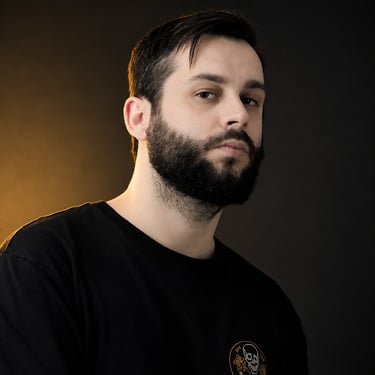
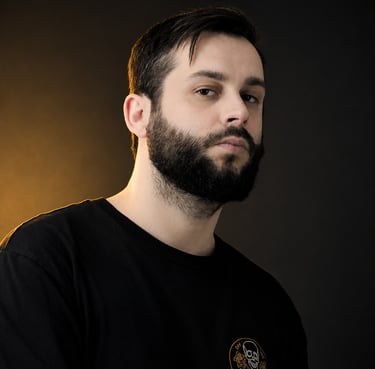
Anthony Blake is a professional session vocalist specializing in metalcore, post-hardcore, and other heavy music. With a decade of experience collaborating with artists all over the world, he provides screaming vocals, clean vocals, lyric writing, and vocal arrangement for independent and label projects. Through this Journal, he shares practical insights and real-world experience to help musicians create better songs and navigate the remote collaboration process with ease.
STAY CONNECTED